By: Asim Nawaz
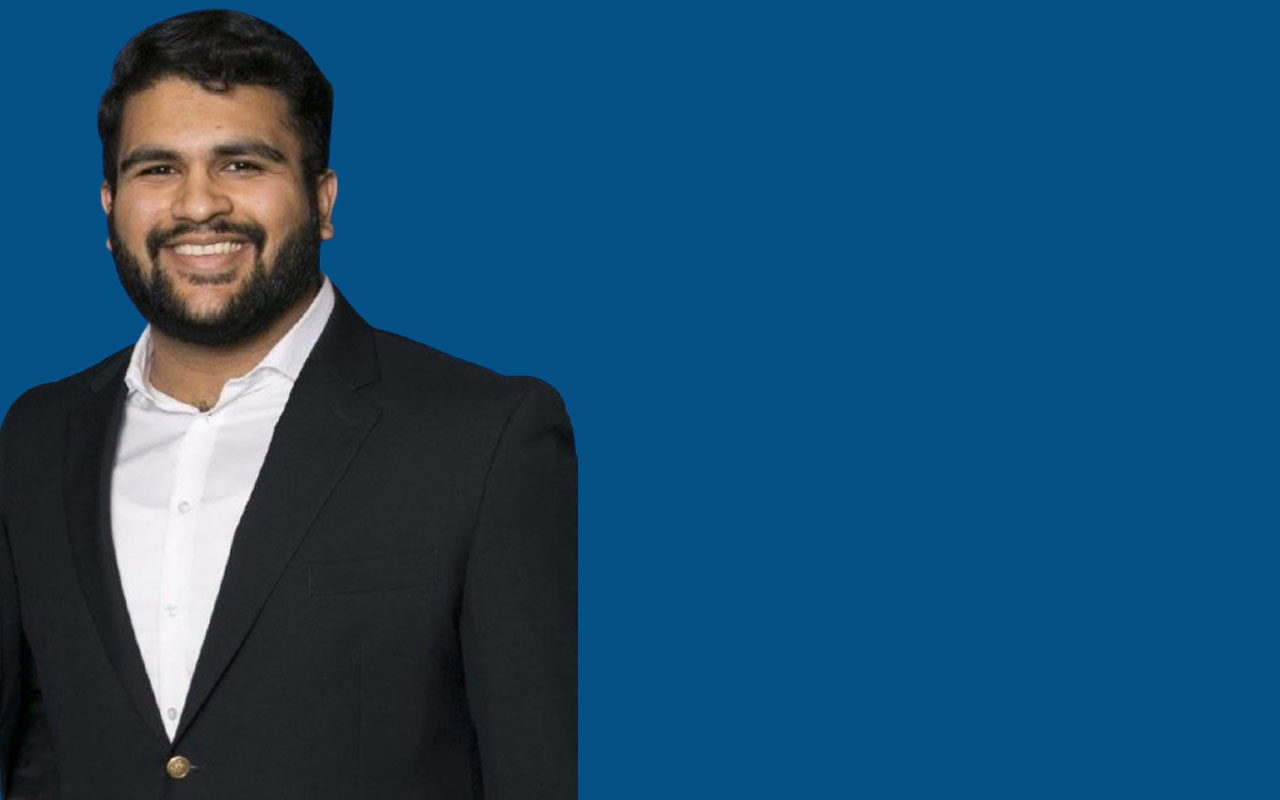
In a world where youth are invited to the discussion tables but there voices are rarely heard, Danish Tariq is part of a growing movement determined to change that narrative. The Dayspring reached out to Danish to listen to his story of achievements.
Youth are not lacking participation, but influence
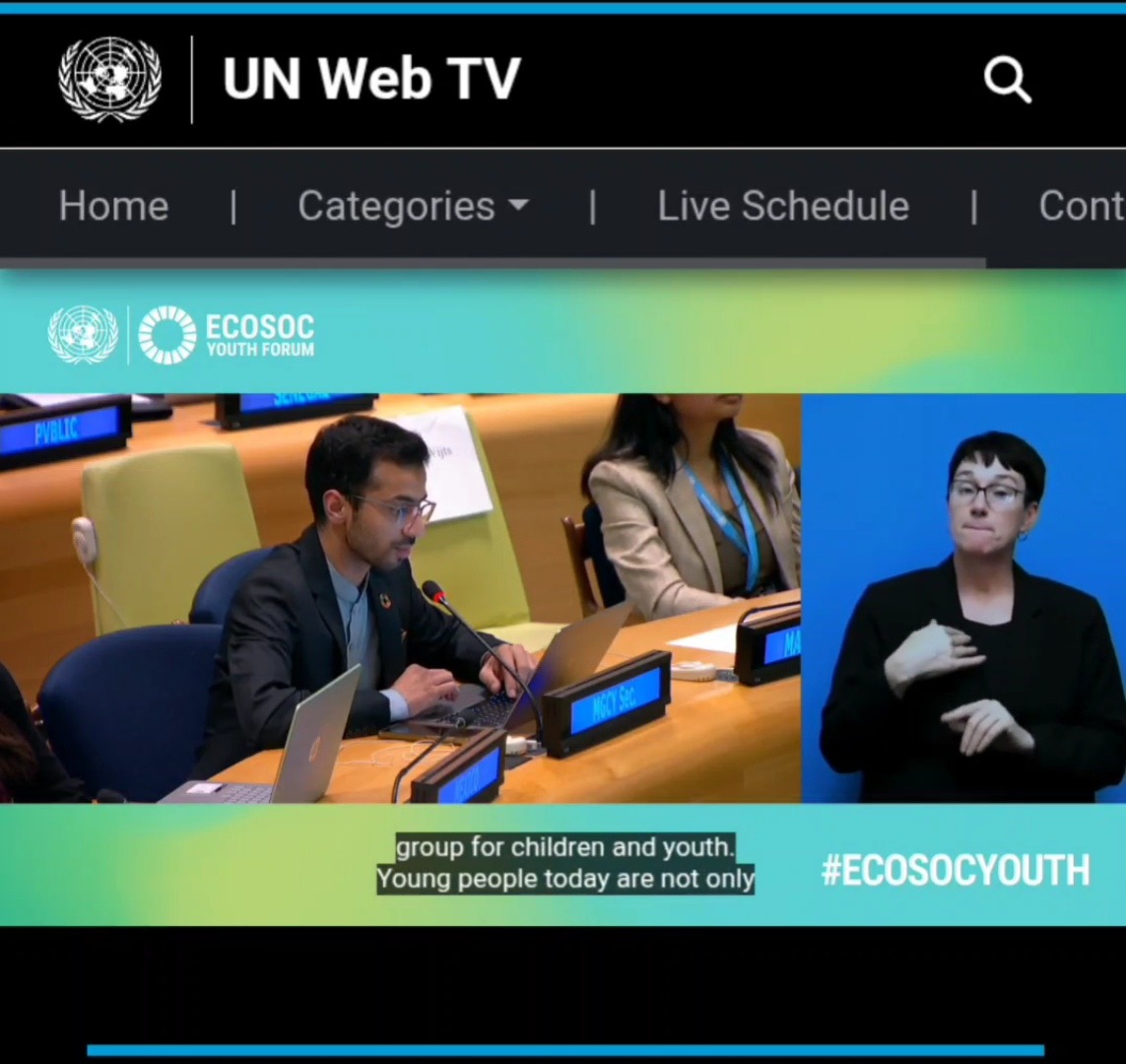
Danish Tariq, representative of Youth Advocacy Network (YAN) Pakistan and Regional Youth Champion of Digital Transformations for Health Lab recently participated in a series of high-level global engagements at the United Nations Headquarters, including the ECOSOC Youth Forum 2026, Global Consultation on Second Progress Study on Youth, Peace and Security, and Financing for Development discussions. His participation not only amplified youth perspectives from Pakistan but also contributed to shaping broader global conversations.
Challenging the Status Quo
At the ECOSOC Youth Forum, Danish delivered a powerful intervention that struck at the heart of a long-standing issue in global governance: “youth are not lacking participation, but influence”.
His message was clear. While young people are often included in consultations and dialogues, their contributions are not always reflected in actual decision-making. This disconnect, he argued, creates a growing gap in trust between institutions and the very generation they aim to represent. With the 2030 Agenda approaching its deadline, Danish emphasized the urgency of moving beyond symbolic inclusion toward meaningful youth leadership that actively shapes outcomes.
AI, Youth, and the Future of Decision-Making
Expanding this conversation, Danish also highlighted the growing role of artificial intelligence in shaping governance and development. He stressed that as AI systems increasingly influence policy, economies, and social structures, youth must not be sidelined in these conversations.
He called for inclusive, ethical, and accountable AI governance frameworks ensuring that young people, particularly from the Global South, are not just users of technology but active contributors in shaping its direction. His intervention underscored the importance of bridging digital divides and embedding youth perspectives in emerging technological governance spaces.
Driving the Financing Agenda
Danish carried this momentum into the Financing for Development discussions, where he addressed one of the most pressing barriers to sustainable development and financial inequality. He called for urgent reforms to tackle rising debt burdens, reduce the cost of capital, and strengthen coordination between regional and global financial systems.
Importantly, he highlighted the need to empower countries in the Global South, ensuring they have a stronger voice in shaping the international financial architecture. His intervention underscored a critical reality, “without fair and inclusive financial systems, progress on global development goals will remain out of reach”.
Advancing Youth, Peace and Security
Beyond formal interventions, Danish actively contributed to shaping the global Youth, Peace and Security agenda. Through participation in the Global Consultation on the Second Progress Study on YPS, he engaged in discussions on financing peacebuilding efforts and aligning them with broader UN reform processes.
In these spaces, Danish highlighted Pakistan’s constructive role in advancing peace and emphasized the importance of youth-led approaches, inclusive policymaking, and stronger regional cooperation. His contributions helped shape regional priorities into collective global recommendations, reinforcing the role of youth as partners in peace, not just beneficiaries.
Building Partnerships
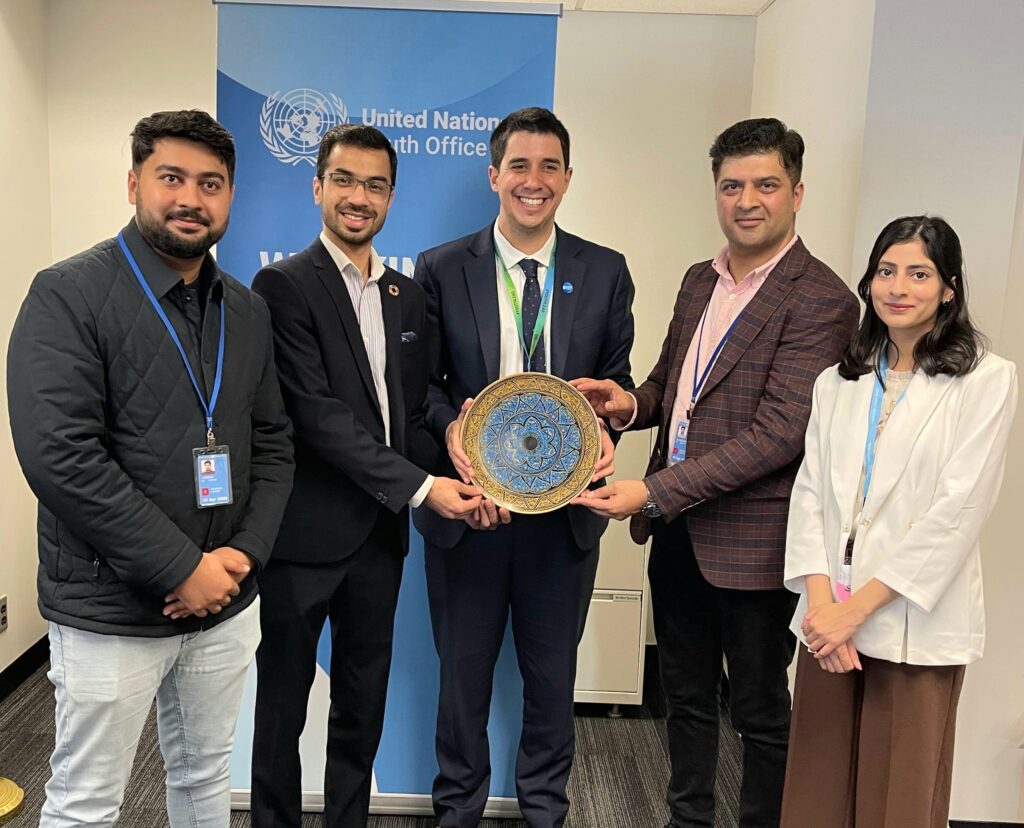
Danish’s participation extended well beyond conference rooms. He engaged in a series of strategic bilateral meetings with key stakeholders, including Mr. Felipe Paullier, United Nations Assistant Secretary-General for Youth Affairs and Dr. Sudha Balakrishnan, Chief, UN System Coordination and Accountability on Youth2030, focusing on advancing youth policy, strengthening the implementation of the UN’s Youth2030 Strategy and focusing on advancing the rights of women, girls, children and young people. On the sidelines of the Commission on Population and Development, he also met with Dr. Shabana Saleem, Director General of the Population Program Wing at the Ministry of National Health Services, Regulations, and Coordination, Government of Pakistan. The discussion highlighted his contributions under the FP2030 initiative, reaffirming commitment to youth-led advocacy in population and development.
He also contributed to dialogues with international and community stakeholders at the New York State Office of the Attorney General, meeting with Mr. Muhammad Awais, Director of Muslim Affairs, and Ms. Hanadi Doleh, Deputy Director of Community Engagement & Partnerships.
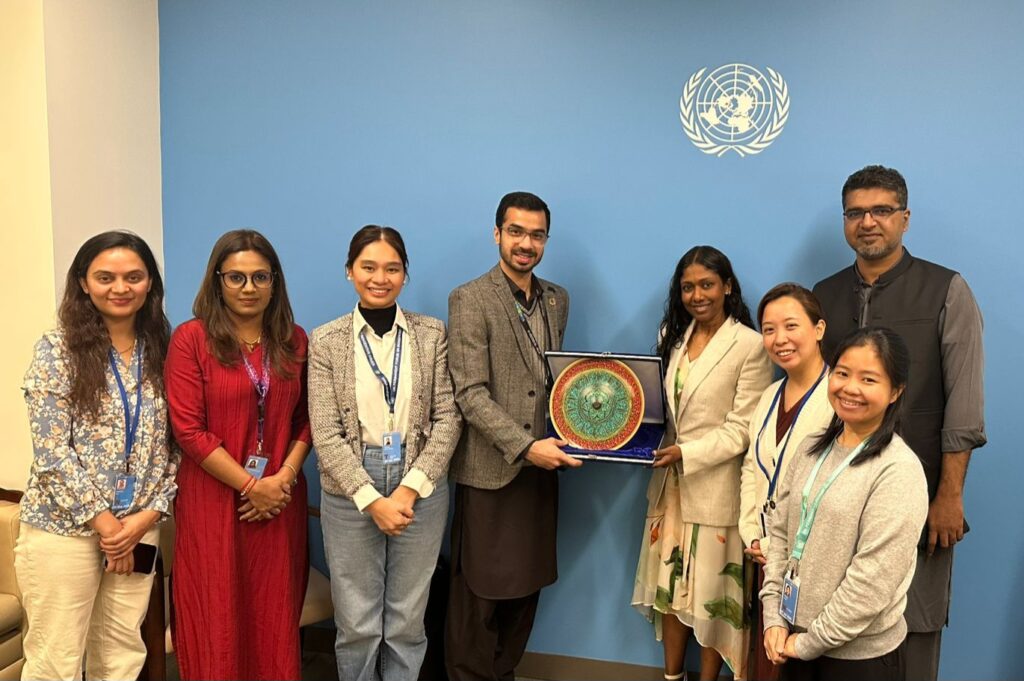
In addition, he met with Ms. Thilmeeza Hussain, Director of the United Nations Regional Commissions New York Office and former Permanent Representative of the Maldives to the United Nations, to discuss the work of YAN as the focal point for the Youth, Children and Adolescent constituency within the Asia Pacific Regional CSOs Engagement Mechanism (AP-RCEM)
Leading from the Region
As Regional Caucus Coordinator for Asia Pacific at the Major Group for Children and Youth, Danish also played a key role in YouthBlast, a high-level youth-led engagement ahead of the ECOSOC Youth Forum. Here, he worked alongside young leaders from across the region to align priorities, strengthen advocacy strategies, and build a unified youth voice for global engagement.
A Shift in Youth Leadership
Danish Tariq’s participation reflects a broader shift in how youth engagement is evolving on the global stage. It is no longer just about being present, it is about being heard, shaping narratives, and influencing outcomes.
From advocating for financial reform to advancing peacebuilding and strengthening global partnerships, his work demonstrates the growing impact of youth leadership from Pakistan. More importantly, it signals a future where young people are not just participants in global processes, but drivers of change.
As the world moves closer to 2030, voices like Danish’s are a reminder that meaningful progress depends not only on including youth but on trusting them with the power to lead.